Women's Wellness

Perimenopause Is Not the End of Feeling Like Yourself

The years before menopause bring real changes — to your body, your mood, your sleep, and your sense of self. These changes are normal. And there are real options for managing them.

PersonalizedConfidentialVirtual Care

What Is Perimenopause?

Perimenopause is the transitional phase leading up to menopause — the point when your ovaries gradually produce less estrogen and your body begins shifting away from its reproductive years. It typically begins in a woman's 40s, though it can start in the mid-30s for some women, and it lasts anywhere from a few years to a decade.

Unlike menopause, which is a single point in time (defined as 12 consecutive months without a menstrual period), perimenopause is a process. During this process, your hormone levels fluctuate unpredictably — sometimes spiking, sometimes dropping — creating a rollercoaster of symptoms that can feel confusing, frustrating, and isolating.

The challenge of perimenopause is that many women do not realize what is happening. Symptoms can start subtly and be attributed to stress, aging, poor sleep, or just "getting older." But perimenopause is a specific, identifiable hormonal transition with well-understood mechanisms — and that means it can be evaluated, managed, and treated.

You are not imagining it. You are not overreacting. And you do not have to wait until menopause arrives to get help.

Do These Sound Familiar?

Perimenopause affects every woman differently. You may experience some, all, or none of these — but if several resonate, it may be time to talk to a provider.

Irregular Periods

Cycles that are suddenly shorter, longer, heavier, lighter, or skipped entirely.

Hot Flashes

Sudden waves of heat through your chest, neck, and face — often with flushing and sweating.

Night Sweats

Waking up drenched in sweat, even when the room is cool.

Sleep Disruption

Difficulty falling asleep, staying asleep, or waking feeling unrested.

Mood Changes

Irritability, anxiety, sadness, or emotional swings that feel disproportionate to what is happening in your life.

Brain Fog

Difficulty concentrating, forgetting words, losing your train of thought mid-sentence.

Fatigue

A bone-deep tiredness that sleep does not fully resolve.

Changes in Desire

Reduced interest in sex, difficulty becoming aroused, or changes in how intimacy feels.

Vaginal Dryness

Dryness or discomfort that affects daily comfort or intimacy.

Why Is This Happening?

The short answer: fluctuating estrogen.

During your reproductive years, estrogen levels follow a relatively predictable monthly pattern — rising, peaking, falling, and resetting. During perimenopause, this pattern becomes erratic. Your ovaries produce estrogen inconsistently — some months more than usual, some months far less. This unpredictability is what makes perimenopause symptoms so variable from week to week and month to month.

Estrogen does not just govern reproduction. It influences your brain (mood, memory, sleep regulation), your cardiovascular system, your bones, your skin, your urinary tract, and your vaginal tissue. When estrogen levels become unstable, all of these systems feel the effect.

Progesterone — the other key reproductive hormone — also declines during perimenopause, often faster than estrogen. This imbalance between declining progesterone and fluctuating estrogen contributes to irregular periods, sleep disruption, and mood changes.

Understanding the hormonal mechanism matters because it reframes the experience. You are not falling apart. Your body is going through a specific, well-documented transition with identifiable hormonal drivers — and those drivers can be evaluated and, when appropriate, treated.

How Graceland Wellness Can Help

Comprehensive Evaluation

Your provider reviews your symptoms, medical history, current medications, and family history to build a complete picture. We do not guess — we assess. If lab work is needed to evaluate your hormone levels, your provider will let you know.

Personalized Treatment Plan

If treatment is appropriate, your provider recommends an individualized plan that may include hormonal therapies, non-hormonal options, lifestyle modifications, or a combination — depending on your symptoms, your health profile, and your goals.

Ongoing Monitoring

Perimenopause is not a one-visit situation. Your symptoms evolve over months and years, and your treatment should evolve with them. Your provider monitors your response, adjusts your plan, and remains available through secure messaging.

Treatment Options We May Consider

Every plan is individualized. Your provider recommends what is appropriate for your specific situation.

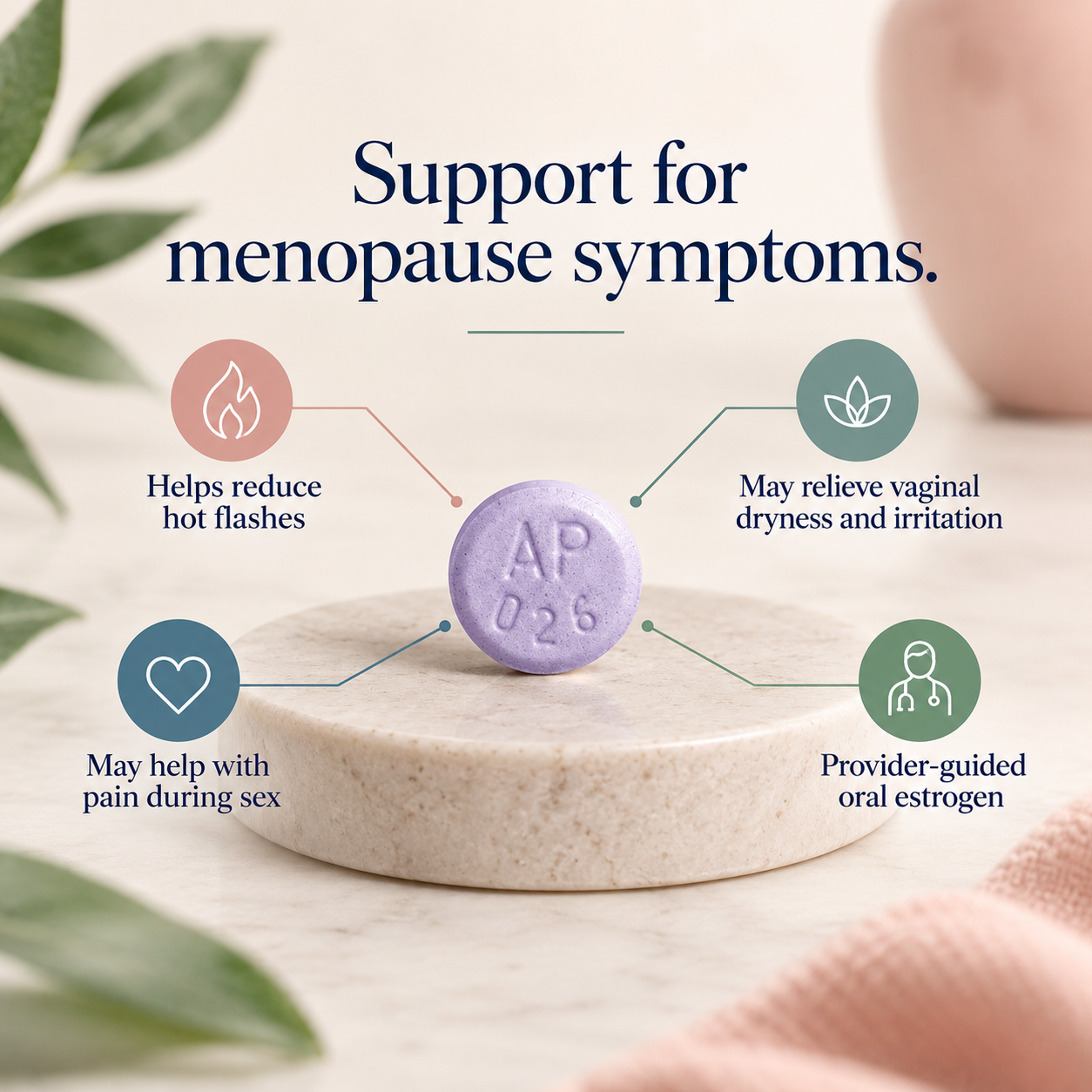
  • Hormone therapy (HT) to stabilize estrogen and/or progesterone levels

  • Non-hormonal medications for specific symptoms like hot flashes, mood, or sleep

  • Vaginal estrogen or moisturizers for dryness and discomfort

  • Lifestyle and dietary modifications that support hormonal balance

  • Sleep-focused interventions for insomnia and night sweats

  • Sexual wellness support for changes in desire or arousal

Not every treatment is appropriate for every patient. Lab work may be required. Some patients may need referral for in-person evaluation depending on their medical history.

Understanding Perimenopause

How do I know if I'm in perimenopause?

There is no single definitive test. Perimenopause is typically identified through a combination of symptom assessment and clinical evaluation. Your provider considers your age, menstrual pattern changes, symptom profile, and — when helpful — hormone level testing.

Common early signs include changes in your menstrual cycle (shorter or longer cycles, heavier or lighter flow, skipped periods), sleep disruption that started without an obvious cause, mood changes that feel different from your normal stress response, and the onset of hot flashes or night sweats.

If you are in your late 30s or 40s and experiencing several of these changes, perimenopause is a reasonable possibility worth evaluating. You do not need to wait for a specific number of symptoms or a specific age — if something feels different in your body, that is worth exploring with a provider.

How long does perimenopause last?

The average duration is about four years, but it ranges widely — from a few months to over a decade. Some women experience intense symptoms for a short period, while others have mild but prolonged symptoms. The transition ends when you reach menopause (12 consecutive months without a period).

The unpredictability of the timeline is one of the most frustrating aspects. Unlike a cold or an injury with a clear beginning and end, perimenopause is a gradual process with no predictable finish line. This is exactly why ongoing care and monitoring matter — your treatment plan adapts as your symptoms evolve.

Is perimenopause the same as menopause?

No. Perimenopause is the transition leading up to menopause. Menopause is a specific point — defined as having gone 12 consecutive months without a menstrual period. After that point, you are considered postmenopausal.

The distinction matters clinically because treatment approaches may differ. During perimenopause, your hormones are fluctuating actively, which creates different symptom patterns than the sustained low hormone levels of postmenopause.

Can I get pregnant during perimenopause?

Yes. Until you have reached menopause (12 consecutive months without a period), pregnancy is possible. Ovulation becomes less frequent and less predictable during perimenopause, but it still occurs. If preventing pregnancy is important, discuss contraception options with your provider.

At what age should I start paying attention?

Most women enter perimenopause in their mid-40s, but it can begin as early as the mid-30s. If you are 35 or older and noticing changes in your cycle, mood, sleep, or energy that do not have another obvious explanation, it is reasonable to bring it up with a provider. There is no downside to evaluating early — and catching the transition at its beginning gives you more time to manage it proactively.

Perimenopause FAQ

Yes. Symptom evaluation, medical history review, treatment planning, and ongoing monitoring can all be conducted through secure telehealth. Some patients may need lab work, which your provider can order through a local lab. If in-person evaluation is needed, your provider will let you know.

You're Not Imagining It. And You Don't Have to Just Live With It.

Start your confidential assessment and connect with a provider who understands what you're going through.