In stockDual GLP-1/GIP

Zepbound® — The First Dual-Action GLP-1/GIP for Weight Management

tirzepatide · weekly injection · by Eli Lilly

  • The only FDA-approved weight management medication that activates both GLP-1 and GIP receptors
  • Patients lost up to 22.5% of body weight in pivotal clinical trials — the highest published results for any GLP-1-class medication
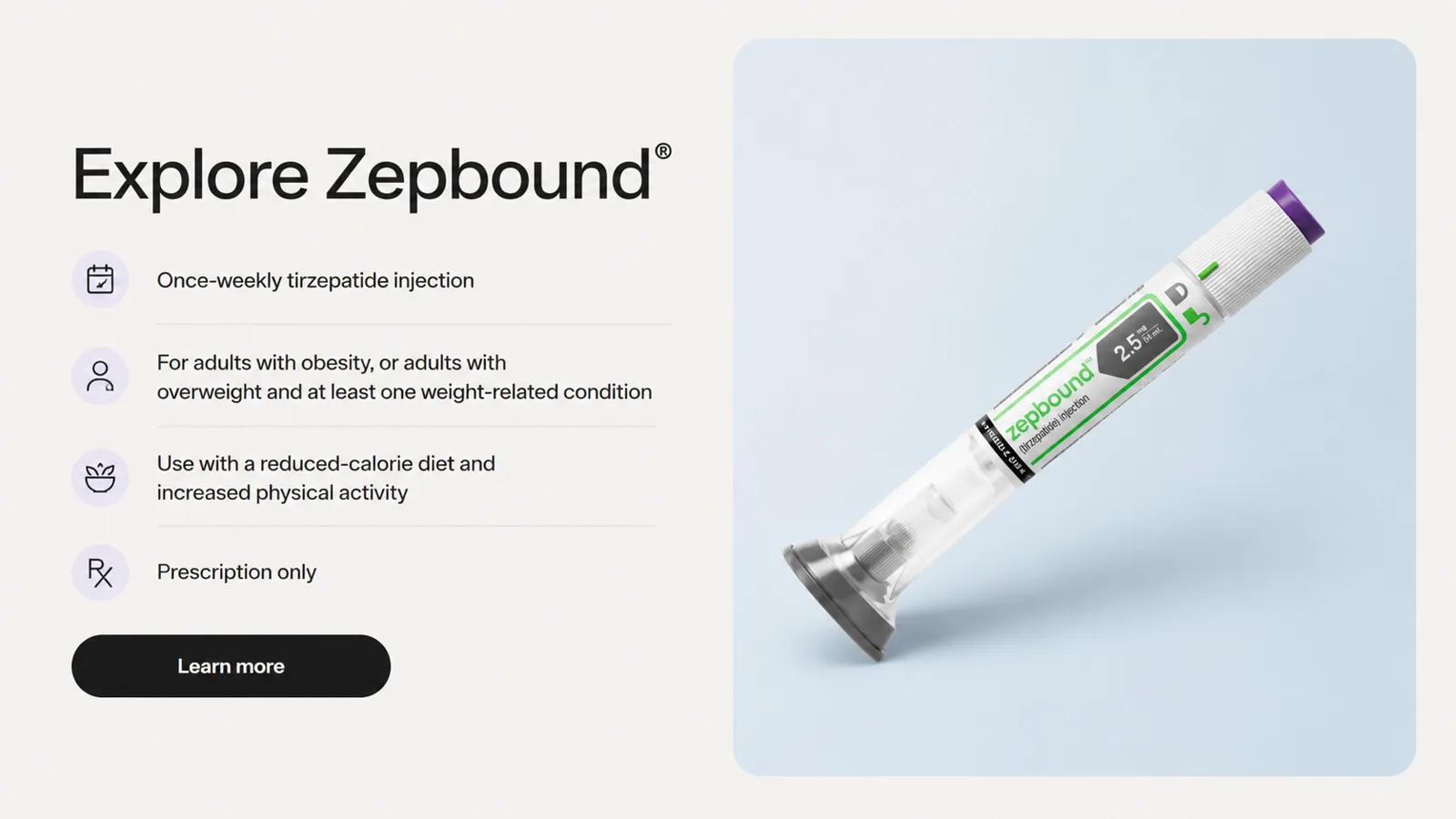
  • Once-weekly single-dose pre-filled pen with no mixing or measuring required
  • A fundamentally different molecule from semaglutide, offering an alternative for patients who need a new approach
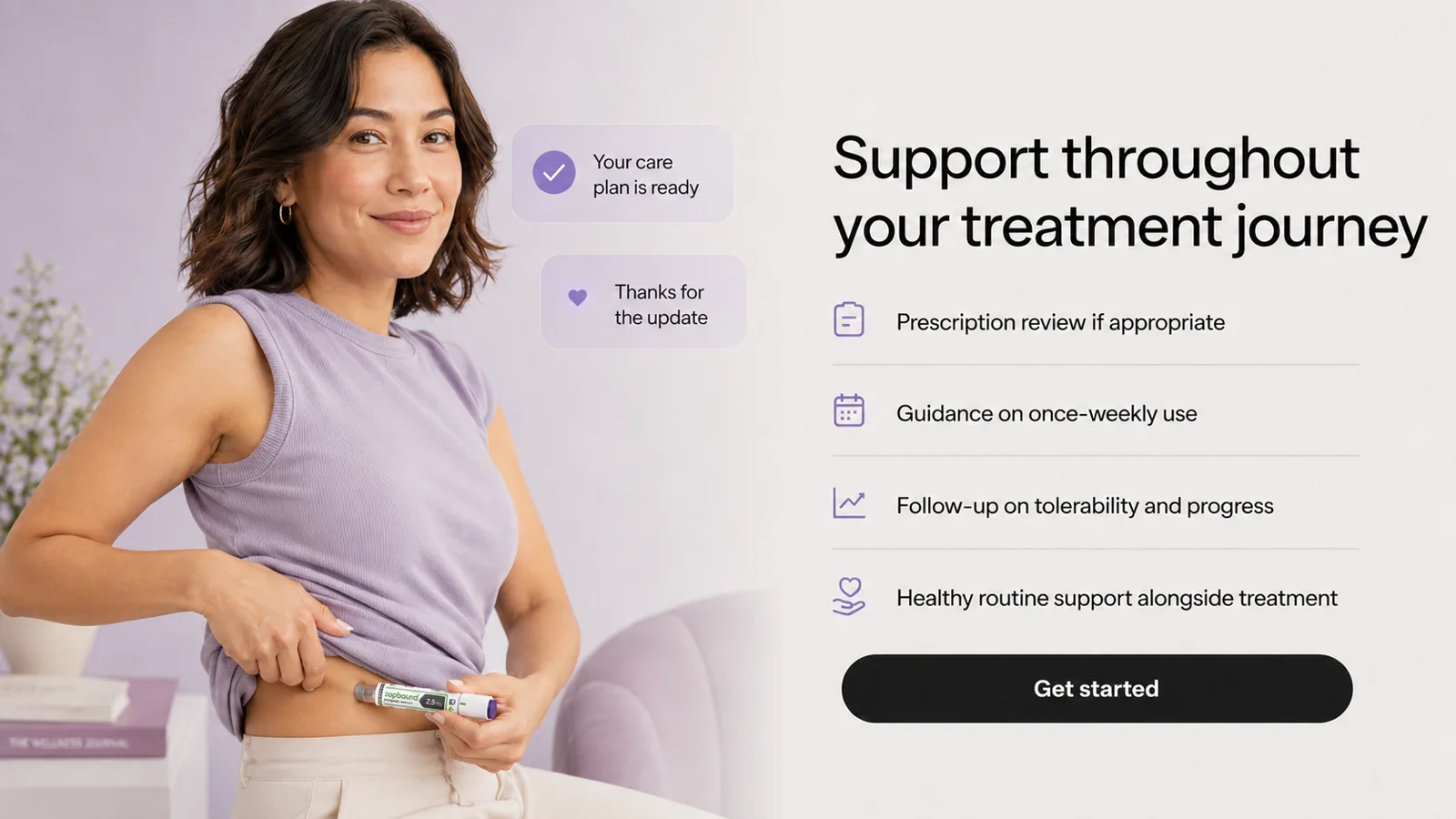
  • Prescribed by a licensed provider with ongoing monitoring and 24/7 Care Team support

Contact for pricing

Transparent self-pay pricing. Shipped directly to you through our pharmacy partners.

Zepbound® tirzepatide

Zepbound® is a prescription injectable medication containing tirzepatide, a first-in-class dual glucose-dependent insulinotropic polypeptide (GIP) and glucagon-like peptide-1 (GLP-1) receptor agonist. It is manufactured by Eli Lilly and Company and received FDA approval in November 2023 specifically for chronic weight management in adults with obesity or overweight with at least one weight-related condition.

What sets Zepbound® apart from every other medication on this page is its mechanism. While semaglutide-based medications (Ozempic®, Wegovy®) target only GLP-1 receptors, tirzepatide activates two receptor pathways simultaneously — GLP-1 and GIP. This dual action represents a genuine advancement in the pharmacology of weight management, not merely a reformulation or delivery change of an existing molecule.

Tirzepatide was originally developed under the brand name Mounjaro® for type 2 diabetes management, where it demonstrated not only superior blood sugar control but also unprecedented weight loss as a secondary outcome. These weight loss results were so striking that Eli Lilly pursued — and received — a separate FDA approval specifically for weight management under the brand name Zepbound®.

Zepbound® is administered once weekly using a single-dose, pre-filled pen. Each pen contains one dose at the prescribed strength and is disposed of after use. It is a distinct medication from compounded GLP-1/GIP formulations, which attempt to replicate the dual-receptor approach but are not FDA-approved and are not manufactured by Eli Lilly.

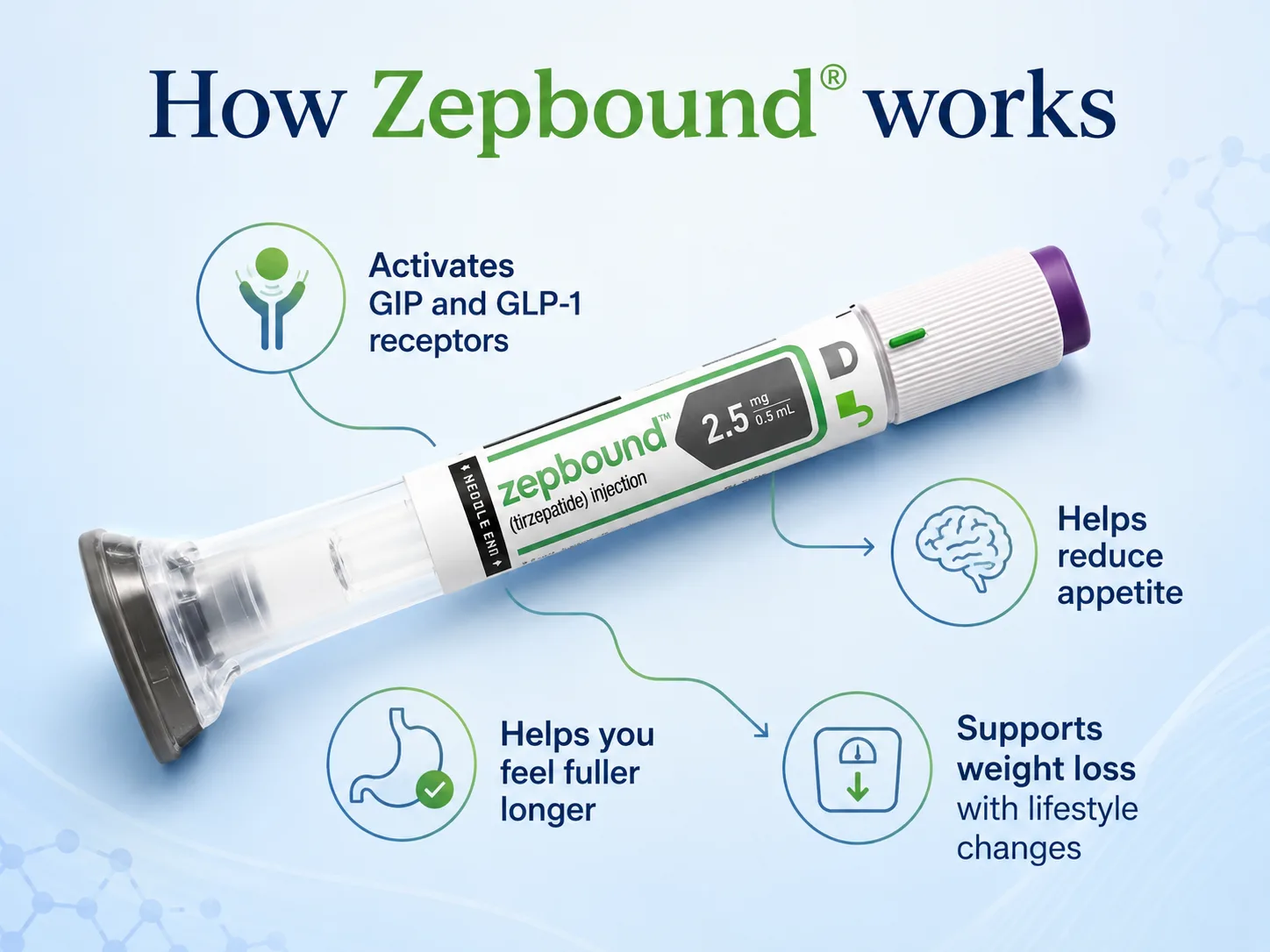
Zepbound® works through a dual-receptor mechanism that no other FDA-approved weight management medication replicates. It simultaneously activates two incretin hormone receptors — GLP-1 and GIP — that play complementary roles in metabolism, appetite, and energy balance.

The GLP-1 pathway, which Zepbound® shares with semaglutide-based medications, reduces hunger by acting on appetite centers in the brain, slows gastric emptying to prolong satiety after meals, and improves insulin secretion to help regulate blood sugar and energy storage.

The GIP pathway adds a second, distinct layer of metabolic activity. GIP receptors are found in the brain, gut, fat tissue, and pancreas. When activated, they appear to enhance the appetite-suppressing effects of GLP-1 signaling, improve how the body metabolizes and stores fat, and contribute to more efficient insulin response. The scientific understanding of GIP’s role in weight management is still evolving, but the clinical results suggest that targeting both pathways together produces effects that exceed what either pathway achieves alone.

In practice, this means Zepbound® may reduce appetite more powerfully, produce greater caloric reduction, and drive more significant weight loss than medications targeting GLP-1 alone. The SURMOUNT clinical trial program — the largest and most rigorous trial program ever conducted for a weight management medication — demonstrated this with remarkable clarity.

Your provider will start you at a lower dose (2.5 mg weekly) and gradually increase over several months to a maintenance dose of up to 15 mg weekly, depending on your response and tolerance.

Zepbound® is available through Graceland Wellness at transparent, upfront pricing confirmed during your evaluation. Your provider walks you through the exact monthly cost before you commit — no surprise bills, no hidden fees.

For patients who are interested in the dual GLP-1/GIP mechanism but find Zepbound® pricing prohibitive, compounded GLP-1/GIP formulations containing tirzepatide are available starting at $149-$179/month. These compounded versions are not FDA-approved — but they offer the same dual-receptor approach at a significantly lower cost. Your provider can help you weigh the trade-offs.

Graceland Wellness is entirely self-pay. Medication costs are separate from your membership fee and shipped directly to your door through our pharmacy partners.

Which Treatment Is Right for You?

Zepbound® occupies a unique position in the GLP-1 weight management landscape. It is the only FDA-approved medication that targets both GLP-1 and GIP receptors, and its clinical trial results represent the highest average weight loss percentages published for any medication in this class. For patients who want the most pharmacologically advanced option available, Zepbound® is the frontrunner.

But it is not automatically the right choice for everyone. Several factors influence which medication your provider will recommend.

If you have tried a semaglutide-based medication (Ozempic®, Wegovy®) and did not achieve the results you expected, or if you experienced side effects that made semaglutide difficult to tolerate, Zepbound® offers a genuinely different molecule — not just a different brand of the same drug. Some patients who do not respond well to semaglutide respond strongly to tirzepatide, and vice versa.

If cost is the primary barrier, compounded GLP-1/GIP formulations offer the same dual-receptor mechanism at $149-$179/month — but without FDA approval. The Wegovy® pill and Foundayo™ pill offer oral alternatives that avoid injections entirely.

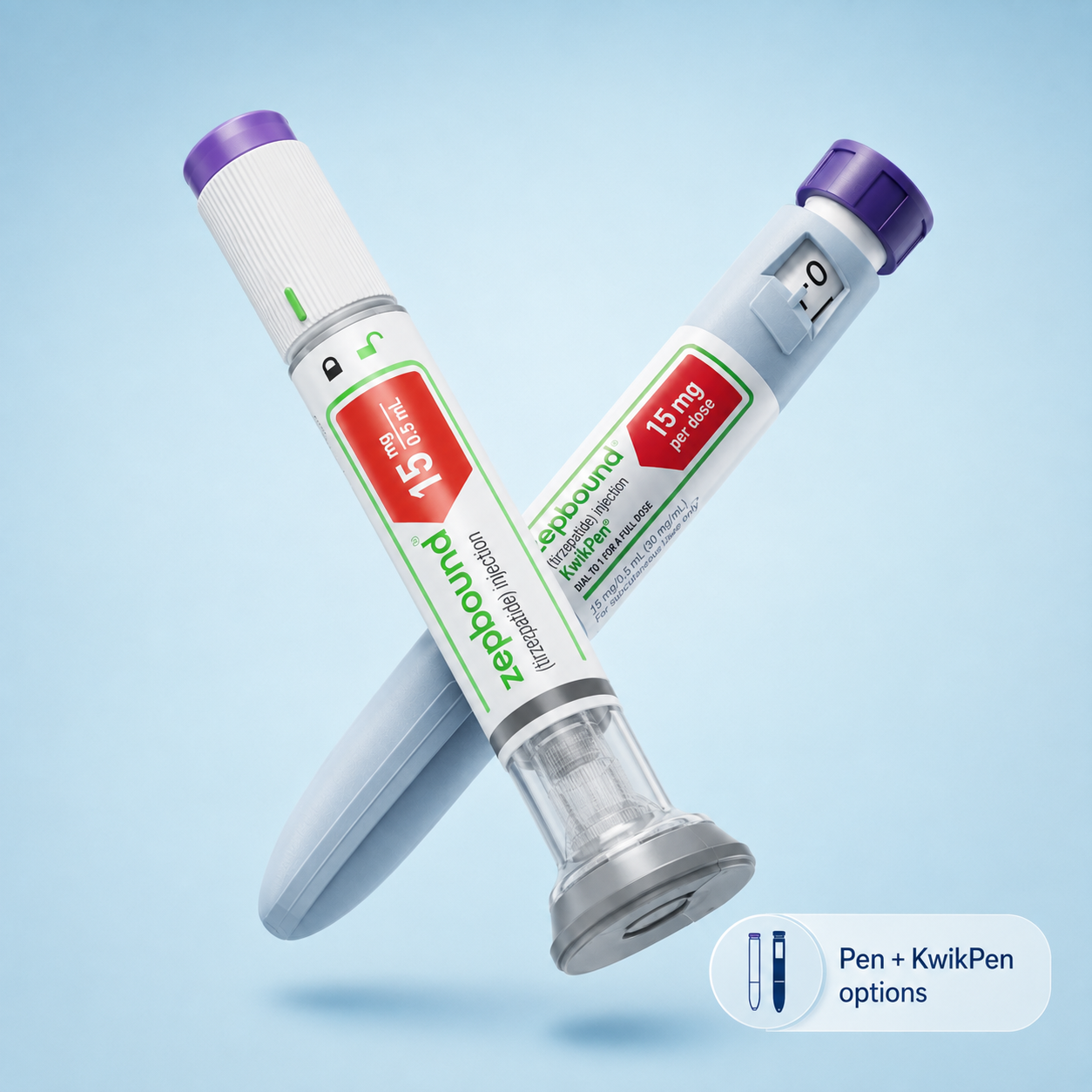
Zepbound® is also available in the KwikPen® format, which uses the same tirzepatide molecule in Eli Lilly’s proprietary easy-to-use pen design. Your provider can recommend whether the standard pen or the KwikPen® is more appropriate.

The right treatment is the one that matches your clinical profile, your budget, and your preferences. Your provider evaluates all of these during your assessment.

Your Path to Treatment

  1. Step 01

    Complete Your Health Assessment

    Answer questions online about your weight, health conditions, medical history, current medications, and goals. The assessment is free, private, and takes about 5 minutes. No referral is needed. Your responses help your provider evaluate whether tirzepatide is a strong clinical fit for your situation.

  2. Step 02

    Provider Evaluation and Treatment Decision

    A licensed provider reviews your complete health profile. They assess whether Zepbound® is clinically appropriate based on your BMI, weight-related conditions, medication history, and whether you have previously tried other GLP-1 medications. If Zepbound® is the right fit, your provider writes a prescription at the appropriate starting dose. If another medication would serve you better — or if you prefer the KwikPen® format — your provider discusses the options.

  3. Step 03

    Transparent Pricing Confirmed

    Your Care Team confirms your total treatment cost during your evaluation — what you see is what you pay. If Zepbound® exceeds your budget, your provider can discuss compounded GLP-1/GIP alternatives at a lower price point.

  4. Step 04

    Receive Your Pen and Start Treatment

    Your Zepbound® pen is shipped directly to your door through our pharmacy partners in plain, unmarked packaging. The pen arrives pre-filled with a single dose at your prescribed strength. No mixing, no measuring. Your Care Team provides injection guidance. You begin at 2.5 mg weekly and increase gradually over the following months as your body adjusts.

  5. Step 05

    Ongoing Monitoring and Dose Optimization

    Your provider tracks your weight, side effects, and overall response at regular intervals. The Zepbound® dose-escalation schedule spans approximately 16-20 weeks, with your provider adjusting the pace based on how well you tolerate each level. At maintenance (up to 15 mg weekly), your provider continues to monitor your progress and can modify your plan at any time. Your Care Team is available 24/7 through the patient portal.

Zepbound® at a Glance

Type

Pre-filled single-dose injection pen (subcutaneous)

Frequency

Once weekly

FDA Status

FDA-approved for chronic weight management (Nov 2023)

Manufacturer

Eli Lilly and Company

Active Ingredient

Tirzepatide (dual GLP-1/GIP receptor agonist)

Starting Cost

Transparent pricing confirmed during your evaluation

Zepbound® 101

What makes tirzepatide different from semaglutide?

Tirzepatide (the active ingredient in Zepbound®) and semaglutide (the active ingredient in Ozempic® and Wegovy®) are fundamentally different molecules, despite belonging to the same broader class of incretin-based therapies. Understanding this difference matters because it affects how the medication works in your body and why some patients respond better to one than the other.

Semaglutide is a GLP-1 receptor agonist — it activates one receptor pathway. Tirzepatide is a dual GLP-1/GIP receptor agonist — it activates two receptor pathways simultaneously. This is not a marketing distinction; it is a molecular and pharmacological difference.

GLP-1 and GIP are both incretin hormones, meaning they are released by your gut after eating and play roles in regulating blood sugar, appetite, and energy metabolism. But they act through different receptors and influence different downstream effects. GLP-1 is well understood as an appetite suppressant and gastric-emptying regulator. GIP’s role is more complex and still being studied, but evidence suggests it enhances the metabolic effects of GLP-1 signaling, influences fat tissue metabolism, and may contribute to improved energy balance through mechanisms that GLP-1 alone does not fully address.

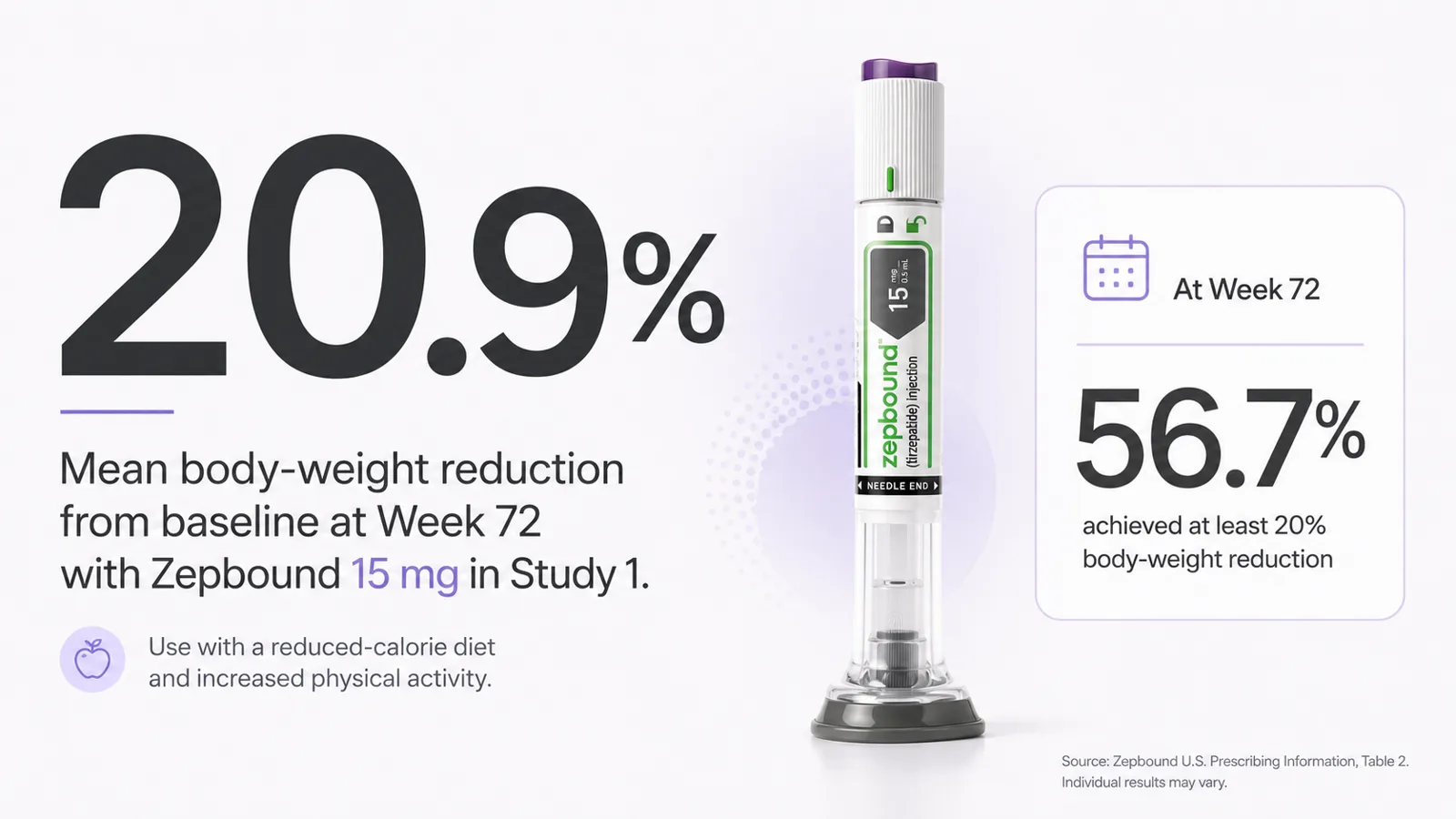
The clinical result of this dual action has been substantial. In the SURMOUNT-1 trial, tirzepatide at its highest dose (15 mg) produced an average weight loss of 22.5% over 72 weeks — compared to approximately 15% for semaglutide 2.4 mg in the STEP 1 trial over 68 weeks. While cross-trial comparisons should be interpreted with caution (different patient populations, different designs), these results suggest a meaningful efficacy advantage for the dual-receptor approach.

What were the results of the SURMOUNT clinical trials?

The SURMOUNT trial program is the clinical foundation behind Zepbound®’s FDA approval for weight management. It is one of the largest and most comprehensive trial programs ever conducted for an anti-obesity medication, enrolling thousands of adults across multiple countries.

SURMOUNT-1 studied tirzepatide in adults with obesity or overweight (without type 2 diabetes) who also had at least one weight-related condition. Over 72 weeks, patients receiving tirzepatide achieved dose-dependent weight loss: an average of 15% at the 5 mg dose, 19.5% at the 10 mg dose, and 22.5% at the 15 mg dose. The placebo group achieved approximately 3.1%. To put the 15 mg result in concrete terms: a 250-pound patient would lose approximately 56 pounds on average.

More than one-third of patients receiving the highest dose lost 25% or more of their body weight — a threshold previously achievable primarily through bariatric surgery, not medication.

SURMOUNT-2 studied tirzepatide in patients with both obesity and type 2 diabetes, where weight loss outcomes are typically more modest. Even in this harder-to-treat population, tirzepatide produced average weight loss of 12.8% at the 10 mg dose and 14.7% at the 15 mg dose.

SURMOUNT-3 and SURMOUNT-4 examined tirzepatide in combination with intensive lifestyle intervention and as a maintenance therapy after initial weight loss, respectively, with consistently strong results.

These trials established tirzepatide as the most effective pharmacological weight management agent studied to date in terms of average percentage of body weight lost.

What is the Zepbound® dosing schedule?

Zepbound® uses a gradual dose-escalation schedule designed to minimize gastrointestinal side effects and allow your body to adapt to the dual GLP-1/GIP mechanism.

Weeks 1-4: 2.5 mg once weekly (initiation dose — primarily for tolerability). Weeks 5-8: 5 mg once weekly. Weeks 9-12: 7.5 mg once weekly. Weeks 13-16: 10 mg once weekly. Weeks 17-20: 12.5 mg once weekly. Week 21 onward: 15 mg once weekly (maximum maintenance dose).

Not every patient will escalate to 15 mg. Your provider determines your optimal maintenance dose based on your weight loss response, side effect tolerance, and clinical goals. Some patients achieve excellent results at 10 mg or 12.5 mg and remain at that level. Others benefit from reaching the full 15 mg dose. If side effects are difficult to manage at any step, your provider can extend that dose level for additional weeks before increasing.

Each dose level uses a different pen strength — you will receive new pens at each escalation step. The entire escalation from 2.5 mg to 15 mg takes approximately 20 weeks under the standard schedule.

How do I administer a Zepbound® injection?

Zepbound® comes in a single-dose, pre-filled injection pen. Unlike multi-dose pens (such as Ozempic®), each Zepbound® pen contains exactly one dose and is disposed of after a single use. There is no dial to set, no dose to select, and no cartridge to load.

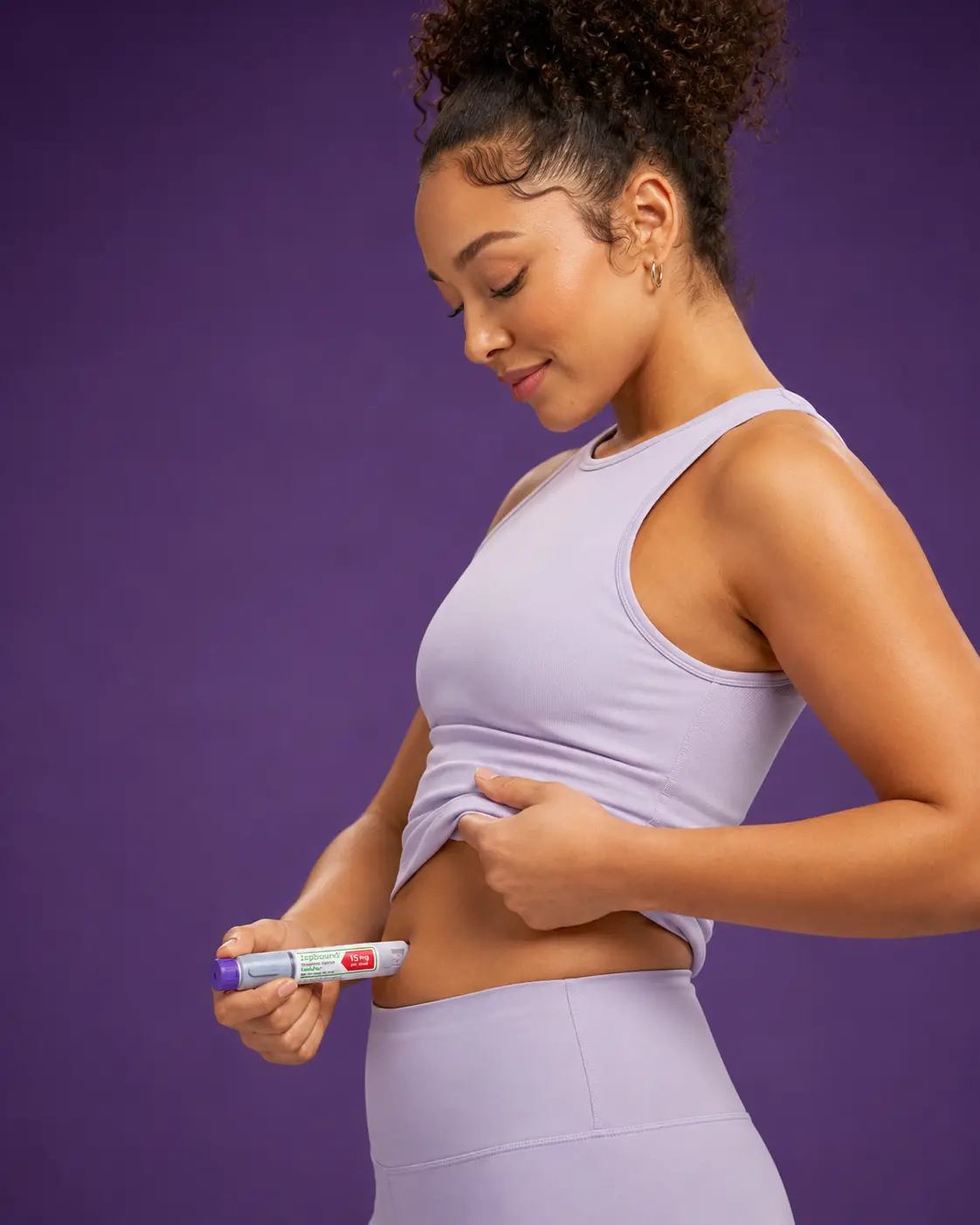
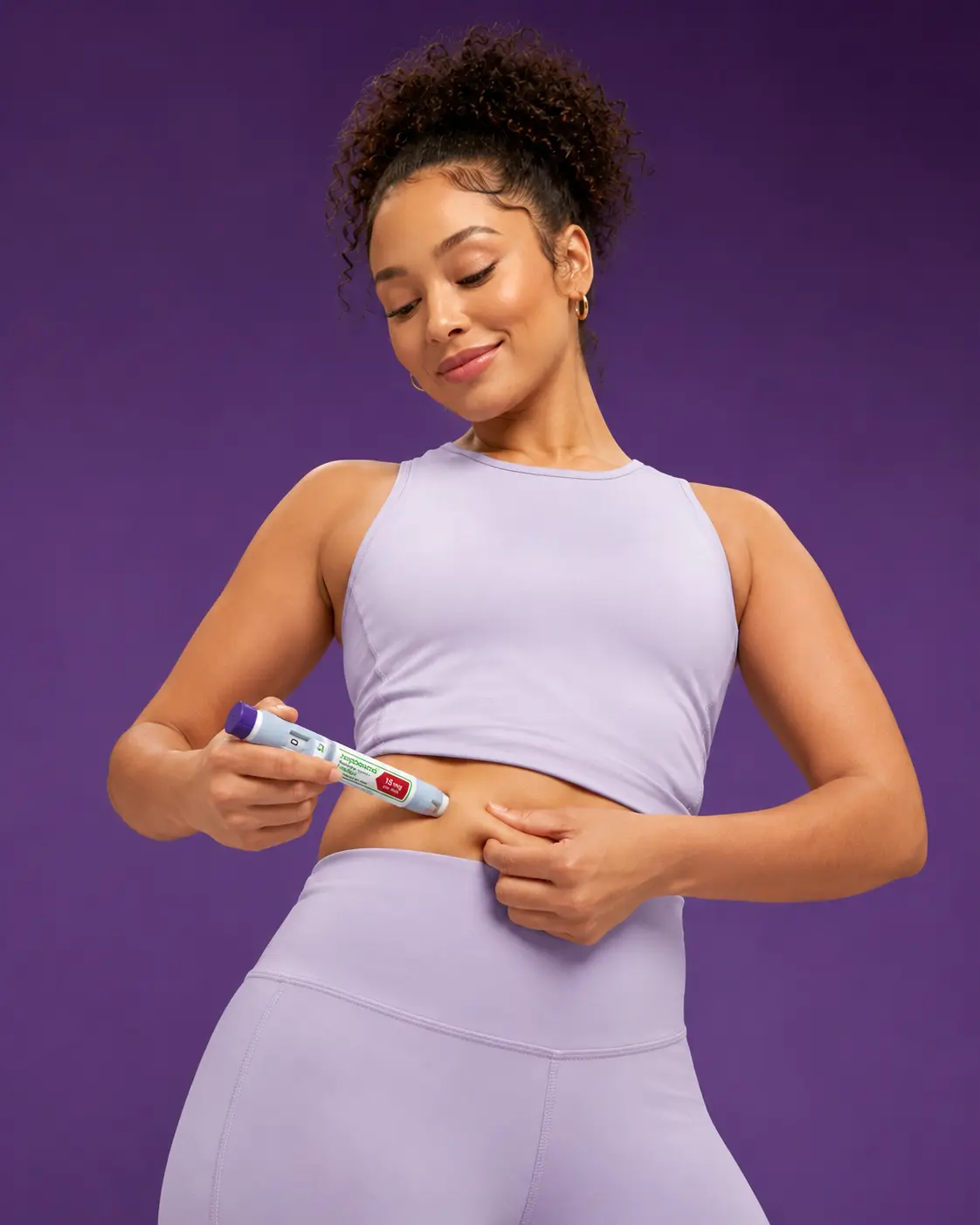
To use the pen: remove the cap to reveal the needle, choose an injection site (stomach, thigh, or back of upper arm), place the pen flat against your skin, press and hold the injection button until you hear two clicks — the first indicates the injection has started, the second indicates it is complete. Keep the pen pressed against your skin for the full duration (approximately 5-10 seconds). Then remove and dispose of the pen in a sharps container.

The single-dose design eliminates dosing errors and simplifies the injection process. Most patients find it slightly easier to use than multi-dose pen systems because there are fewer steps and no opportunity to dial an incorrect dose.

Rotate injection sites each week. Store unused pens in the refrigerator (36°F to 46°F). You may keep a pen at room temperature (up to 86°F) for up to 21 days if needed. Do not freeze.

How is Zepbound® different from Mounjaro®?

Zepbound® and Mounjaro® contain the identical active ingredient — tirzepatide — manufactured by the same company (Eli Lilly). They are the same molecule in the same pen format. The difference is entirely regulatory.

Mounjaro® is FDA-approved for the management of type 2 diabetes. When it is prescribed for weight management, that is off-label use.

Zepbound® is FDA-approved specifically for chronic weight management in adults with obesity or overweight. When your provider prescribes Zepbound®, they are prescribing it for its intended, on-label purpose.

From a clinical standpoint — the molecule, the dose, the mechanism, the side effects, and the expected outcomes — Zepbound® and Mounjaro® are the same. Your provider will prescribe whichever brand is most appropriate based on your clinical needs.

Can I switch to Zepbound® from a semaglutide medication?

Yes, and this is a relatively common clinical scenario. Patients may switch from a semaglutide-based medication (Ozempic® or Wegovy®) to Zepbound® for several reasons: they have plateaued on semaglutide and are looking for the additional efficacy that dual GLP-1/GIP activation may provide, or they are experiencing side effects on semaglutide that they hope may differ with tirzepatide.

Because tirzepatide and semaglutide are different molecules, switching is not a simple dose-for-dose conversion. Your provider will typically restart you at a lower dose of tirzepatide (2.5 mg) and escalate gradually, even if you were at a high dose of semaglutide. This is important because the dual GLP-1/GIP mechanism means your body needs time to adapt to the new receptor activity profile, even if you are accustomed to GLP-1 stimulation from semaglutide.

Your provider will manage the transition, including the timing of your last semaglutide dose relative to your first tirzepatide dose, to ensure safety and continuity of care.

What should I know about Zepbound® and hair loss?

Hair thinning or hair loss (telogen effluvium) has been reported by some patients taking Zepbound®, and it is a topic that generates significant patient concern. It is important to understand the context.

Hair loss in this situation is most likely associated with rapid weight loss itself — not with the medication directly. When the body undergoes significant caloric deficit and rapid weight change, it can redirect resources away from non-essential functions like hair growth, causing a temporary increase in hair shedding. This phenomenon is well-documented after bariatric surgery, crash diets, and other rapid-weight-loss scenarios — not just GLP-1 medication use.

In the SURMOUNT trials, hair loss was reported more frequently in tirzepatide groups than placebo, but the rate was relatively low and correlated with the degree of weight loss. Most cases were temporary and resolved as weight stabilized.

If hair thinning concerns you, discuss it with your provider. Strategies may include ensuring adequate protein intake, maintaining appropriate caloric levels (rapid extreme restriction can worsen hair shedding), and in some cases, supplementation. Your provider can also adjust the pace of your dose escalation to moderate the rate of weight loss if appropriate.

Zepbound® FAQ

Is Zepbound® FDA-approved for weight loss?

Yes. Zepbound® received FDA approval in November 2023 specifically for chronic weight management in adults with obesity (BMI ≥30) or overweight (BMI ≥27) with at least one weight-related medical condition, as an adjunct to a reduced-calorie diet and increased physical activity. It is not an off-label use — weight management is its approved indication.

How much weight can I expect to lose with Zepbound®?

In the SURMOUNT-1 trial, patients at the highest dose (15 mg) lost an average of 22.5% of their body weight over 72 weeks. At the 10 mg dose, the average was 19.5%. For a 250-pound patient, this translates to approximately 49-56 pounds on average. Individual results vary based on starting weight, adherence, diet, exercise, and biology. Your provider will set realistic, personalized expectations.

How is Zepbound® different from Wegovy®?

They contain different active ingredients and work through different mechanisms. Wegovy® contains semaglutide (a GLP-1 agonist) while Zepbound® contains tirzepatide (a dual GLP-1/GIP agonist). Both are FDA-approved for weight management and administered weekly. Zepbound® has demonstrated higher average weight loss in clinical trials, though cross-trial comparisons should be interpreted carefully. Your provider will recommend the option that best fits your clinical profile.

What if I miss a Zepbound® dose?

If fewer than 4 days (96 hours) have passed since your missed dose, take it as soon as possible. If 4 or more days have passed, skip the missed dose and take your next dose on the regularly scheduled day. Do not take two doses within 3 days of each other. If you miss several consecutive doses, contact your provider — you may need to restart at a lower dose.

Can I take Zepbound® with other medications?

Inform your provider about all medications you take. Zepbound® can slow gastric emptying, which may affect how quickly your body absorbs oral medications taken around the same time. This is particularly relevant for medications where absorption timing matters, such as oral contraceptives or antibiotics. Your provider may recommend adjusting the timing of certain medications relative to your Zepbound® injection.

Is the Zepbound® pen easy to use?

Yes. The single-dose, pre-filled design is one of the simplest injection formats available. There is no dose to dial, no cartridge to load, and no mixing required. You uncap, press, wait for two clicks, and dispose. Most patients are comfortable with the process after their first injection. Your Care Team provides detailed instructions and is available for questions.

What if I don’t respond well to Zepbound®?

If you are not achieving expected results or are experiencing side effects that are difficult to manage, your provider has several options. They may adjust your dose, slow the escalation schedule, recommend dietary modifications, or discuss switching to a different medication. Alternatives include the Zepbound® KwikPen® (same molecule, different pen design), Wegovy® (semaglutide, different mechanism), the Wegovy® pill (oral, no injections), or compounded GLP-1/GIP formulations at a lower cost. Your treatment plan is flexible.

How long do I need to take Zepbound®?

Weight management with GLP-1/GIP medications is generally considered a long-term or indefinite treatment. Clinical data shows that significant weight regain occurs in most patients who discontinue tirzepatide. Your provider will discuss long-term planning, including the possibility of dose reduction for maintenance, cost-management strategies for sustained use, and how to combine medication with behavioral and dietary changes for the most durable results.

Is Zepbound® the Right Fit for You?

Complete your free assessment and a licensed provider will evaluate whether tirzepatide’s dual-action approach matches your weight management goals and health profile.

Get Started

Treatment is prescribed only when clinically appropriate by a licensed provider.