Compounded GLP-1/GIP — Dual-Action Weight Management at a Fraction of the Cost
tirzepatide (compounded) · weekly injection · from licensed compounding pharmacies
- Dual GLP-1/GIP receptor activation — the same mechanism behind Zepbound® — at $179/month
- Prepared by licensed, regulated compounding pharmacies in the United States
- An accessible entry point for patients priced out of brand-name GLP-1 medications
- Not FDA-approved — your provider will explain exactly what that means and help you make an informed choice
- Prescribed by a licensed provider with ongoing monitoring, dose adjustments, and 24/7 Care Team support
$179/month*
*Price based on yearly subscription plan. Compounded medications are not FDA-approved.
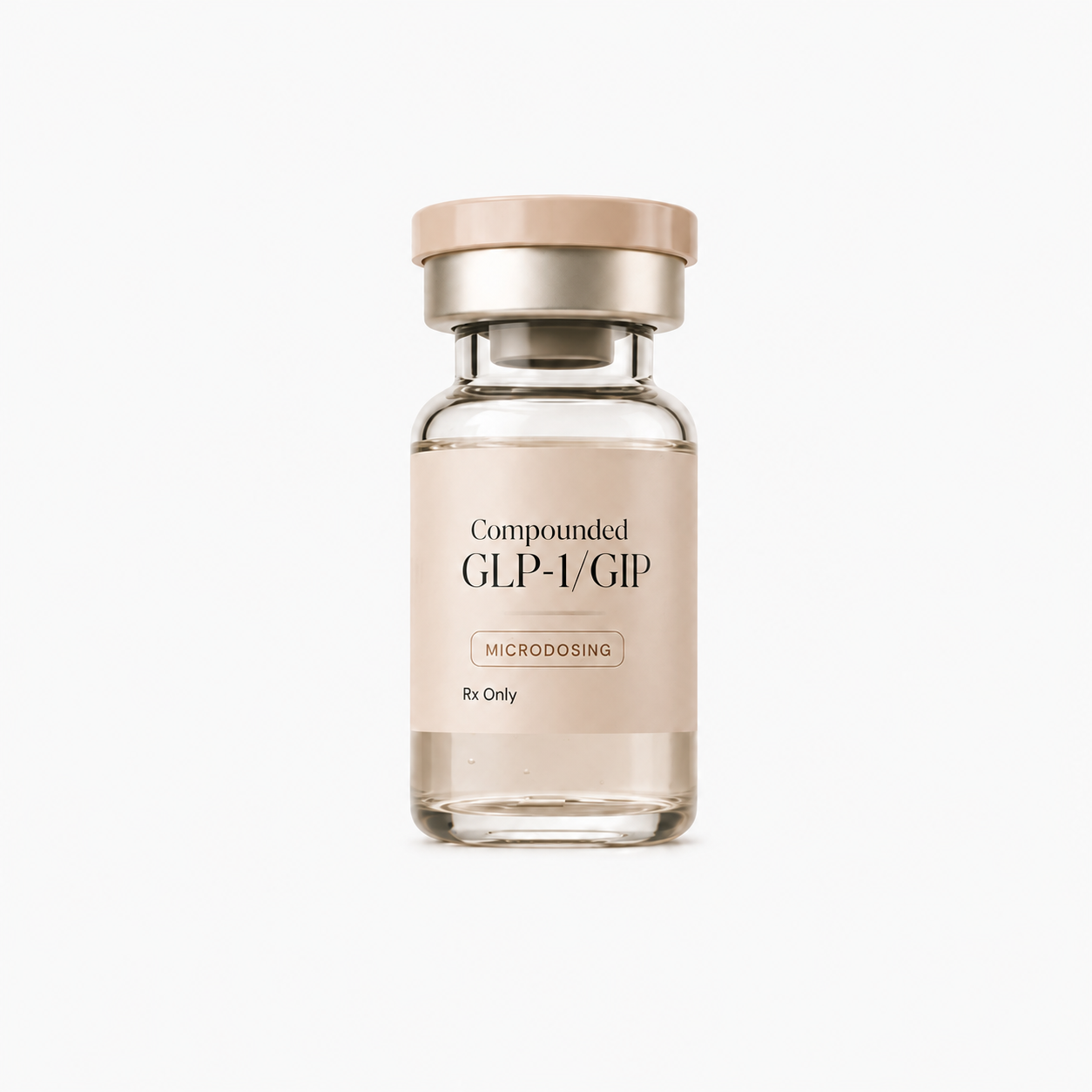
Compounded GLP-1/GIP is a prescription injectable medication containing tirzepatide — the same active molecule found in Zepbound® and Mounjaro® — but prepared by a licensed compounding pharmacy rather than manufactured by Eli Lilly. Compounding is a well-established practice in pharmacy where a licensed pharmacist prepares a customized medication formulation to meet a specific patient need, often at a lower cost than commercially manufactured brand-name products.
It is critically important to understand what compounded means — and what it does not mean. Compounded GLP-1/GIP is not a counterfeit, not a generic, and not a knockoff. It is a medication prepared in a regulated pharmacy environment using pharmaceutical-grade ingredients, following applicable state and federal compounding regulations. However, compounded medications have not undergone the FDA approval process. This means they have not been reviewed by the FDA for safety, efficacy, or manufacturing consistency in the way that brand-name products like Zepbound® have.
This distinction creates a trade-off that every patient should understand before choosing this option: compounded GLP-1/GIP offers the dual-action mechanism at a significantly lower price, but without the specific assurances that come with FDA approval. Your Graceland Wellness provider will discuss this trade-off with you transparently during your evaluation so you can make a fully informed decision.
Compounded GLP-1/GIP is available through Graceland Wellness because we believe patients deserve access to effective treatment options regardless of their budget. For many adults, the retail cost of brand-name GLP-1 medications — which can exceed $1,000 per month — is simply prohibitive. Compounded formulations exist to bridge that gap.
Compounded GLP-1/GIP works through the same dual-receptor mechanism as Zepbound®. The tirzepatide molecule in the compounded formulation activates both GLP-1 (glucagon-like peptide-1) and GIP (glucose-dependent insulinotropic polypeptide) receptors simultaneously.
Through the GLP-1 pathway, the medication reduces hunger by acting on appetite centers in the brain, slows gastric emptying so meals keep you feeling full longer, and improves insulin secretion to help your body manage blood sugar and energy storage. Through the GIP pathway, it enhances these effects and influences fat metabolism and energy balance through complementary mechanisms that GLP-1-only medications like semaglutide do not address.
This dual action is the reason tirzepatide produced the highest average weight loss results of any GLP-1-class medication in clinical trials — up to 22.5% body weight reduction over 72 weeks in the SURMOUNT program. While those specific trial results were generated using Eli Lilly’s manufactured Zepbound®/Mounjaro® product, the compounded formulation uses the same tirzepatide molecule and targets the same receptors.
What the compounded version cannot claim is FDA verification that its specific formulation delivers tirzepatide at the same bioavailability, purity, and consistency as the brand-name product. This is not a statement about the quality of any individual compounding pharmacy — many operate at very high standards — but an acknowledgment of the regulatory difference. Your provider monitors your response closely and adjusts dosing based on your actual clinical results, regardless of which formulation you use.
Compounded GLP-1/GIP is priced at $179 per month based on a yearly subscription plan, making it one of the most accessible GLP-1 weight management options available. For comparison, brand-name Zepbound® and Ozempic® cost $1,000 or more per month at retail.
The price difference exists because compounding pharmacies operate under a fundamentally different economic model than large pharmaceutical manufacturers. They do not bear the costs of FDA clinical trials or national marketing campaigns, which allows them to offer tirzepatide at a fraction of the brand-name price.
Your $179/month covers the compounded medication, prepared and shipped directly to your door by the compounding pharmacy. This is separate from your Graceland Wellness membership fee, which covers provider visits, treatment planning, dose adjustments, prescription coordination, and 24/7 Care Team messaging. Graceland Wellness is entirely self-pay — the price you see is the price you pay.
Which Treatment Is Right for You?
Compounded GLP-1/GIP is the right choice for a specific patient profile: someone who wants dual-receptor GLP-1/GIP therapy, understands and accepts the trade-off of using a non-FDA-approved formulation, and needs an affordable path to treatment that brand-name pricing makes inaccessible.
It is not the right choice for every patient. If your budget comfortably supports brand-name pricing, Zepbound® or Wegovy® offer FDA-verified safety, efficacy, and manufacturing consistency that compounded formulations cannot match. If you are uncomfortable with the concept of non-FDA-approved medication, that discomfort is valid — and your provider can prescribe an FDA-approved alternative.
Here is how compounded GLP-1/GIP fits among the other options available through Graceland Wellness:
If cost is your primary barrier and you want dual GLP-1/GIP action, compounded GLP-1/GIP at $179/month or microdosing at $149/month are the most affordable paths.
If you want an FDA-approved dual GLP-1/GIP option, Zepbound® (standard pen or KwikPen®) is the only choice — at significantly higher pricing.
If you want FDA-approved GLP-1-only therapy, Wegovy® (pen or pill) and Ozempic® offer semaglutide-based options at various price points and delivery formats.
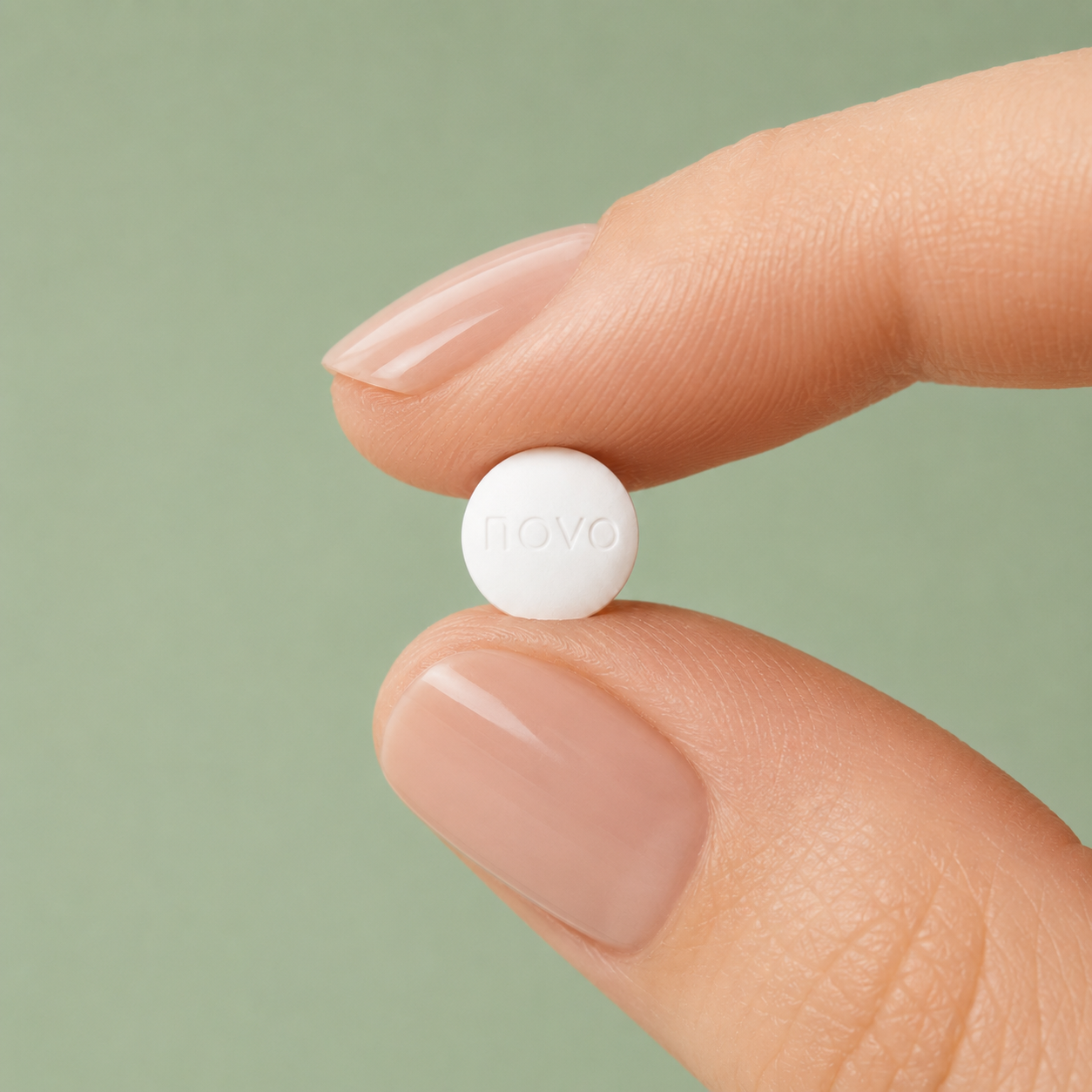
If you want an oral medication with no injections, the Wegovy® pill and Foundayo™ pill are your options — both FDA-approved but at higher price points.
Your provider evaluates your clinical needs, budget, and comfort level to recommend the best fit. Many patients start with compounded GLP-1/GIP because of the price advantage and later transition to a brand-name product if their budget allows.
Your Path to Treatment
Step 01
Free Online Assessment
Start with a private health questionnaire covering your weight, medical history, current medications, prior GLP-1 experience, and goals. The assessment takes about 5 minutes and is completely free. Your responses help your provider determine whether tirzepatide is clinically appropriate and whether the compounded formulation is a suitable option for your situation.
Step 02
Provider Evaluation and Informed Consent
A licensed provider reviews your health profile and discusses treatment options with you. If compounded GLP-1/GIP is recommended, your provider will explicitly explain that it is not FDA-approved, what that means in practical terms, and how it differs from brand-name Zepbound®. You will have the opportunity to ask questions and provide informed consent before any prescription is written. If you prefer an FDA-approved option, your provider will recommend alternatives.
Step 03
Compounding Pharmacy Fulfillment
Your prescription is sent to a licensed compounding pharmacy that prepares your medication according to your prescribed dose. The pharmacy operates under state and federal compounding regulations and uses pharmaceutical-grade ingredients. Your medication is prepared specifically for your prescription — it is not pulled from mass-manufactured inventory.
Step 04
Delivery and First Dose
Your compounded GLP-1/GIP is shipped directly to you with clear instructions on storage, injection technique, and dosing. You begin at a lower dose determined by your provider and inject once weekly. Your Care Team is available to guide you through your first injection and answer any questions about handling, reconstitution (if applicable), or technique.
Step 05
Ongoing Monitoring and Adjustment
Your provider monitors your weight loss, side effects, and overall response through regular check-ins. Because compounded medications can vary more than brand-name products, your provider pays close attention to your clinical response at each dose level and adjusts accordingly. If the compounded formulation is not producing the expected results, or if your financial situation changes, your provider can transition you to a brand-name option at any time.
Compounded GLP-1/GIP at a Glance
Type
Injectable (subcutaneous)
Frequency
Once weekly (provider-determined)
FDA Status
NOT FDA-approved — prepared by licensed compounding pharmacies
Manufacturer
Licensed U.S. compounding pharmacies
Active Ingredient
Tirzepatide (compounded formulation)
Starting Cost
$179/month* (yearly subscription)
Compounded GLP-1/GIP 101
What does “compounded” actually mean?
Compounding is the practice of a licensed pharmacist preparing a customized medication formulation for an individual patient based on a provider’s prescription. It is one of the oldest traditions in pharmacy — before mass manufacturing, nearly all medications were compounded by local pharmacists.
Today, compounding serves several purposes in modern healthcare. It allows pharmacists to prepare medications in forms not commercially available (different doses, different delivery methods, or formulations for patients with allergies to certain inactive ingredients). It also allows access to medications whose brand-name versions are either unavailable due to supply shortages or prohibitively expensive.
Compounding pharmacies in the United States are regulated at the state level by state boards of pharmacy and, in some cases, at the federal level by the FDA under Section 503A or Section 503B of the Federal Food, Drug, and Cosmetic Act. 503A pharmacies compound medications for individual patients based on specific prescriptions. 503B outsourcing facilities can compound in larger batches under more stringent federal oversight, including FDA inspections.
When Graceland Wellness prescribes compounded GLP-1/GIP, the prescription is sent to a licensed pharmacy that operates within these regulatory frameworks. The pharmacy uses pharmaceutical-grade tirzepatide to prepare your medication at your prescribed dose and concentration.
If it contains the same molecule, why isn’t it FDA-approved?
FDA approval is not a certification of a molecule — it is an approval of a specific product, manufactured by a specific company, using a specific manufacturing process, based on specific clinical trial data. Eli Lilly spent years and billions of dollars conducting the SURMOUNT clinical trials, building GMP (Good Manufacturing Practice) facilities, and submitting data to the FDA to earn approval for Zepbound®. That approval covers Eli Lilly’s product as manufactured in their facilities.
A compounding pharmacy uses the same tirzepatide molecule but prepares it in their own facility using their own processes. They have not conducted independent clinical trials on their formulation, and their manufacturing processes have not been reviewed and approved by the FDA in the same way Eli Lilly’s have. This does not necessarily mean the compounded product is inferior — but it does mean it has not been independently verified to the same standard.
The practical implications are: you cannot assume the compounded product has exactly the same bioavailability (how much of the active ingredient your body absorbs), purity (absence of contaminants), or potency consistency (dose-to-dose uniformity) as the brand-name product. These factors may be identical in practice — many compounding pharmacies maintain very high quality standards — but they have not been formally proven through the FDA approval process.
This is why informed consent matters. Your provider explains these differences to you before prescribing, and you make the decision with full awareness of both the benefits (affordability, accessibility) and the limitations (lack of FDA verification).
How is the quality of compounded medications ensured?
Quality assurance for compounded medications comes from several overlapping regulatory and professional mechanisms, though none are identical to the FDA’s pre-market approval process for brand-name drugs.
State boards of pharmacy regulate compounding pharmacies through licensing requirements, inspections, and enforcement of standards for facilities, equipment, training, and record-keeping. Many states require pharmacies to follow United States Pharmacopeia (USP) standards for compounding — particularly USP <795> for non-sterile compounding and USP <797> for sterile compounding — which specify detailed requirements for ingredient quality, environmental controls, testing, and documentation.
503B outsourcing facilities, which operate under federal FDA oversight, are subject to current Good Manufacturing Practice (cGMP) requirements and periodic FDA inspections. These facilities can compound larger batches and must meet more stringent standards than traditional 503A pharmacies.
Additionally, reputable compounding pharmacies voluntarily pursue third-party accreditation through organizations like the Pharmacy Compounding Accreditation Board (PCAB) or Accreditation Commission for Health Care (ACHC), which conduct independent audits of quality systems.
Your Graceland Wellness provider selects pharmacy partners based on their licensing status, regulatory compliance, quality certifications, and track record. However, patients should understand that even with these safeguards, compounded medications do not carry the same level of FDA-verified manufacturing assurance as brand-name products.
How much can I save compared to brand-name GLP-1 medications?
The savings are substantial, which is the primary reason compounded GLP-1/GIP exists as a treatment option.
Compounded GLP-1/GIP through Graceland Wellness is $179/month based on a yearly subscription. For comparison, brand-name GLP-1 medications at retail cost: Ozempic® approximately $1,299/month; Wegovy® pen typically $1,000+ per month; Zepbound® in a similar range.
The compounded option makes dual-action tirzepatide therapy accessible at a price point that is roughly 85% lower than brand-name retail. Same molecule, dramatically lower price.
Your Care Team can help you compare transparent, upfront costs across all available options — brand-name and compounded — so you make the most financially informed decision.
Is compounded GLP-1/GIP as effective as Zepbound®?
This is the most important question patients ask, and the honest answer requires nuance.
The compounded formulation uses the same tirzepatide molecule that produced the clinical trial results behind Zepbound® — up to 22.5% average body weight loss over 72 weeks in the SURMOUNT trials. The pharmacological mechanism is identical: dual GLP-1/GIP receptor activation.
However, the specific formulation prepared by a compounding pharmacy has not been studied in its own clinical trial. This means we cannot make a direct, evidence-based claim that the compounded version produces exactly the same results as the brand-name product. Factors that could influence this include differences in bioavailability (how efficiently the compounded formulation is absorbed), potency consistency across batches, and inactive ingredient differences.
In clinical practice, most providers who prescribe compounded tirzepatide report that patients experience appetite reduction, weight loss, and side effects consistent with what would be expected from the tirzepatide molecule. Your provider monitors your response closely — tracking your weight, appetite changes, and side effects at regular intervals — and adjusts your dose based on your actual clinical results, not on assumed outcomes from brand-name trials.
If at any point your provider believes the compounded formulation is not producing the expected clinical response, they can discuss transitioning you to a brand-name product or an alternative medication.
What is the difference between Compounded GLP-1/GIP and Microdosing GLP-1/GIP?
Both are compounded tirzepatide formulations prepared by licensed pharmacies, and both are available through Graceland Wellness. The difference is in the dosing protocol and the patient they are designed for.
Compounded GLP-1/GIP ($179/month) uses a standard dosing approach: your provider starts you at a therapeutic dose and escalates according to your response and tolerance, following a schedule similar to what would be used with brand-name tirzepatide.
Microdosing GLP-1/GIP ($149/month) uses a lower starting dose and a more gradual escalation schedule. It is designed for patients who are new to GLP-1 therapy and want to minimize the risk and severity of side effects during the introductory phase, patients who are sensitive to medications in general, or patients who want to test their response to tirzepatide at a lower dose before committing to a full therapeutic protocol.
Some patients begin with the microdosing program and transition to the standard compounded program once they have established tolerance. Others find that the microdosing protocol produces sufficient results on its own. Your provider will recommend the approach that best matches your clinical profile and comfort level.
Can I switch from compounded GLP-1/GIP to a brand-name medication later?
Yes, and this is a common and well-supported transition. Many patients begin with compounded GLP-1/GIP because of the cost advantage and later transition to brand-name Zepbound® when their budget allows, or they simply want the additional assurance of an FDA-approved product.
Your provider manages the transition, including dose equivalence (since compounded and brand-name concentrations may differ), timing, and any adjustments needed to maintain continuity of treatment. In most cases, the switch is straightforward because the active molecule is the same.
The reverse transition is also possible — patients who start on brand-name Zepbound® and find the cost unsustainable can move to the compounded formulation with provider guidance. Your treatment plan is flexible and designed to evolve with your circumstances.
Compounded GLP-1/GIP FAQ
Is compounded GLP-1/GIP legal?
Yes. Pharmacy compounding is a legal, regulated practice in the United States. Compounding pharmacies operate under state pharmacy board oversight and, in some cases, federal FDA oversight. Your provider writes a legitimate prescription, and a licensed pharmacist prepares the medication in compliance with applicable regulations.
Is compounded GLP-1/GIP safe?
Compounded medications are prepared by licensed pharmacists using pharmaceutical-grade ingredients in regulated facilities. However, because they have not undergone FDA review, they do not carry the same verified safety assurance as FDA-approved products. Your provider discusses these considerations with you before prescribing and monitors your response throughout treatment. If you are uncomfortable with the non-FDA-approved status, your provider can prescribe a brand-name alternative.
Why would I choose compounded over brand-name?
The primary reason is cost. Compounded GLP-1/GIP at $179/month makes dual-receptor tirzepatide therapy accessible to patients who cannot afford brand-name retail pricing of $1,000+ per month. For many patients, the choice is often between compounded tirzepatide and no GLP-1 treatment at all.
How does Graceland Wellness pricing work?
Graceland Wellness is entirely self-pay with transparent, upfront pricing. Compounded GLP-1/GIP is $179/month on a yearly subscription — the price you see is the price you pay. Your medication ships directly to your door through our pharmacy partners. No hidden fees, no waiting, no surprise bills.
How do I know the compounding pharmacy is reputable?
Graceland Wellness works with compounding pharmacies that are licensed by their state board of pharmacy and operate in compliance with applicable regulations. Your Care Team can provide information about the pharmacy fulfilling your prescription. If you have concerns about a specific pharmacy, discuss them with your provider.
Does the compounded medication look different from Zepbound®?
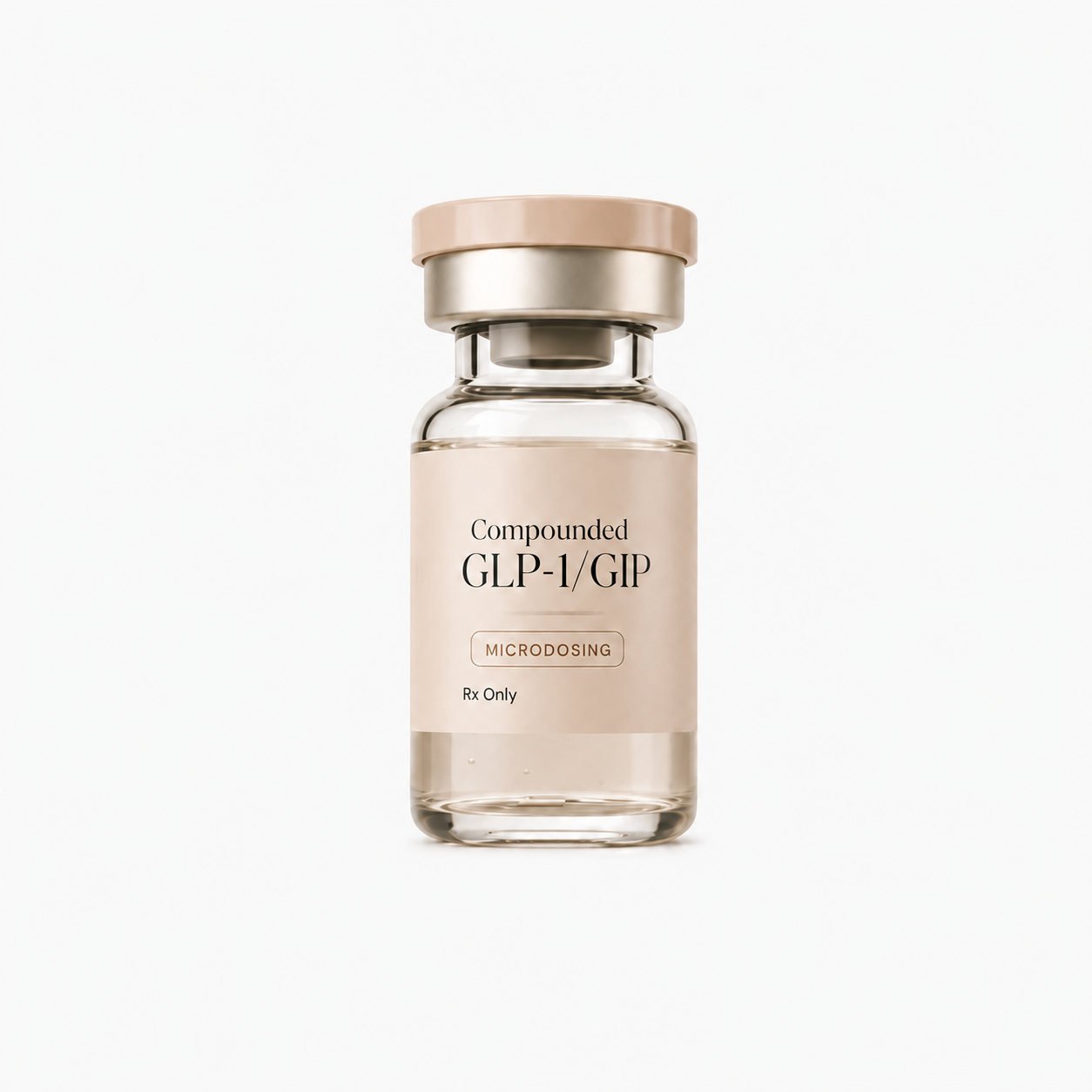
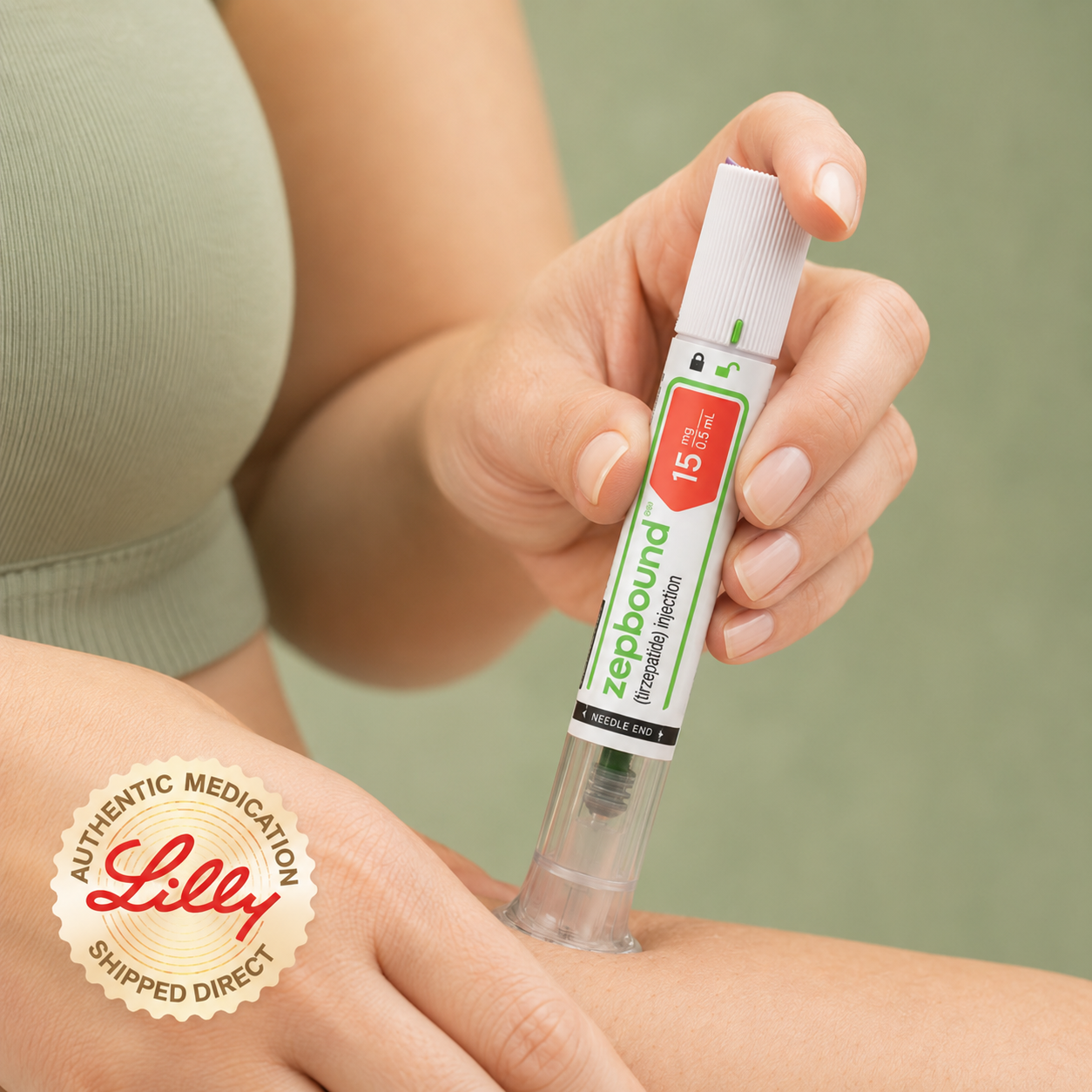
Yes. Compounded GLP-1/GIP is not packaged in Eli Lilly’s branded pen devices. It is typically provided in a vial, and you draw and administer the dose using an insulin-style syringe, or it may be provided in a pre-filled syringe depending on the compounding pharmacy. Your Care Team provides detailed instructions on preparation and injection.
What if I experience different side effects from one refill to the next?
Batch-to-batch variation is a theoretical possibility with compounded medications that does not typically occur with brand-name products due to their standardized manufacturing. If you notice a change in side effect intensity, appetite suppression, or overall response after receiving a new refill, report it to your provider. They can assess whether a dose adjustment is needed or whether the pharmacy should be contacted.
Can I start with compounded and later switch to brand-name?
Yes. Your provider can transition you to brand-name Zepbound® or another FDA-approved GLP-1 at any time. The switch is straightforward because the active molecule is the same. Common reasons for switching include personal preference for FDA-approved medication, changes in budget, or availability considerations.
Is Compounded GLP-1/GIP Right for You?
Complete your free assessment and discuss all available options — including compounded and brand-name — with a licensed provider who will help you find the right balance of efficacy, safety, and affordability.
Get StartedTreatment is prescribed only when clinically appropriate by a licensed provider.